GLP-1 and Muscle: What No One Tells You About Weight Loss with Medication
GLP-1 and Muscle: What No One Tells You
By Vanessa Manfredini | Biomedical Scientist and Future Nutritionist
The scale drops, clothes loosen, everyone praises you. 💊 But there's a question almost no one asks: was all that lost weight just fat? The answer is a bit uncomfortable, and that's what we need to talk about today. Come with me! 🌿
"Losing weight and losing fat are not the same thing. And that difference changes everything."
The data that raises a red flag 📉
When someone loses weight with GLP-1 family medications (the injections and now the pills), part of what is lost is not just fat, but also lean mass, meaning muscle. Estimates vary widely among studies, but many of them suggest that anywhere between a quarter and a third of the lost weight may come from muscle.
And, to be honest with you: there's a debate. Some more recent research suggests that this loss might not be as disproportionate when compared to other weight loss methods. Science is still discussing it. But the practical message remains: muscle is too serious to let slip away without care.
Why does muscle matter so much? 💪
Because it's much more than just aesthetics:
🍬 Helps with blood sugar: it's a major consumer of glucose.
🦴 Supports bones and autonomy: especially as you age.
🔄 Protects against the yo-yo effect: those who lose muscle tend to regain weight more easily.
Do you see the irony? Losing muscle while losing weight is precisely what makes it harder to maintain the results afterward. 😬
And there's a detail that caught my attention 🏃
Research presented this year observed something curious: people undergoing GLP-1 treatment tend to move less. It makes sense, as eating much less leaves less energy and less disposition. But this creates a cycle: eat little, move little, lose muscle. Exactly the opposite of what the body needs at this time.
This is where nutrition comes in (and it's not a minor detail!) 🌱
This is the point that matters most to me as a future nutritionist. The medication reduces hunger. But eating little is not the same as eating well. And it's precisely when eating little that every bite needs to count more:
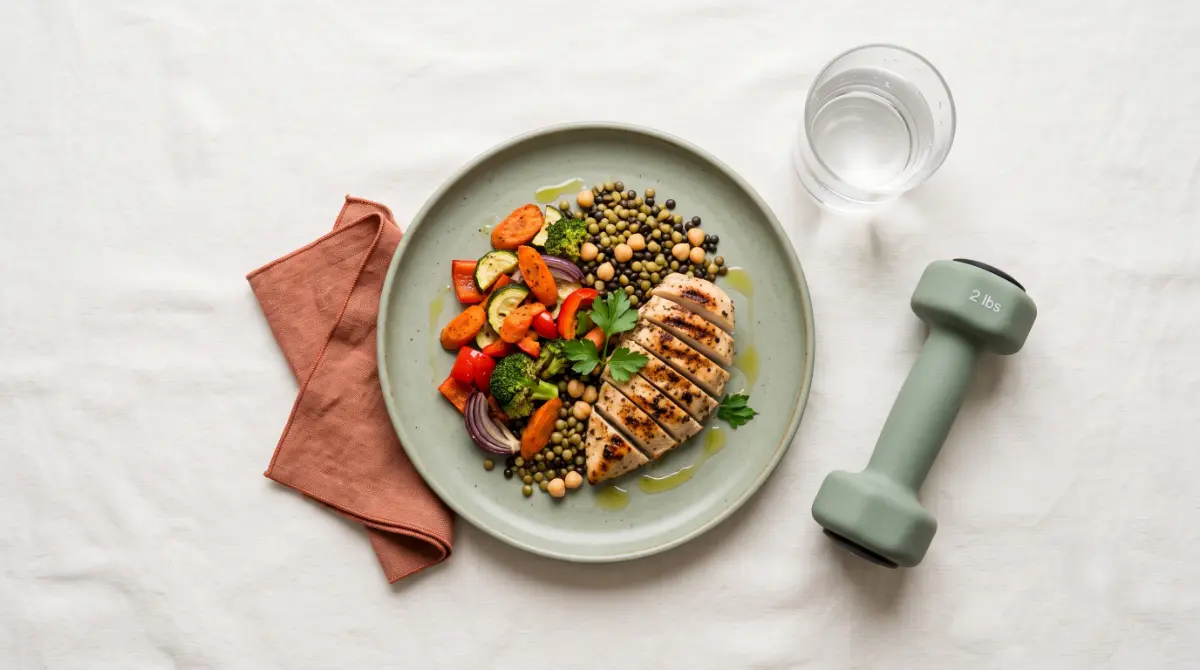
🏋️♀️ Strength training: the duo that makes a difference. Studies suggest it greatly reduces muscle loss during restriction.
🥦 Real nutrients: by eating less, the risk of lacking vitamins and minerals increases.
💧 Hydration and fiber: help with the gut, which often complains during this phase.
And when the medication stops? 🔄
Here's the part that advertising doesn't show. Studies indicate that upon discontinuing treatment, it's common to regain a significant portion of the weight. And if the body lost muscle along the way, it returns with a worse composition than before: less muscle, more fat.
That's why I insist so much: the medication can open the door, but your daily habits build the house. 💚
"The medication handles hunger. Nutrition handles what's left after it."
Did this content open your eyes? 💚
Tell me in the comments what you thought. And share it with anyone who is using or thinking of using these medications: this information could change their results down the line! 🌹
With care and science, Vanessa 🌹
📚 Scientific References
Content based on recognized sources about GLP-1 and body composition. Main references:
- American Diabetes Association (ADA), materials on GLP-1, weight loss, and body composition.
- Meta-analysis on lean mass loss during the use of GLP-1 agonists, published in Obesity (2025), and subsequent reviews discussing the magnitude of this loss.
- Literature on strength training and protein intake in preserving muscle mass during energy restriction.
- STEP 1 study extension, on weight regain after treatment discontinuation.
The information is for educational purposes and does not replace individualized medical and nutritional evaluation. Medications must always be prescribed and monitored by a doctor. The science on this topic is evolving, with results that still vary among studies.