LDL and HDL Cholesterol: What is the "Good" and the "Bad" (Easily Explained)
Cholesterol: What is the "Good", the "Bad", and What to Do
By Vanessa Manfredini | Biomedical Scientist and Future Nutritionist
You get your blood test results, see "LDL", "HDL", "total cholesterol", and that question pops up: what does all this mean, anyway? 🤔 And is cholesterol always a bad thing?
Today I'm going to simplify this for you in an easy, non-alarming way. When you understand what each number means, it becomes much easier to take care of your health with peace of mind. Come with me! 🌿
"Cholesterol is not the villain of the story. It is essential for life. What matters is the balance between the types."
First: Cholesterol is your friend! 💛
It might seem surprising, but your body NEEDS cholesterol. It's raw material for very important things:
- 🧬 Produce hormones (including female hormones, like estrogen!)
- ☀️ Produce vitamin D
- 🧱 Form the wall of all body cells
- 🍽️ Aid in fat digestion
➡️ In other words: without cholesterol, the body doesn't function. The problem is never "having cholesterol," but rather when it becomes unbalanced. 🌿
LDL and HDL: The two cholesterol "trucks" 🚛
Cholesterol travels through the blood inside "transporters." The two main ones are LDL and HDL, and that's where the story of "good" and "bad" comes in:
🧹 HDL (the "good"): is the cleanup truck. It collects excess cholesterol and takes it back to the liver. That's why it's the "good" one; the higher, the better!
➡️ A little trick to never confuse them: think of the L in LDL as "Lingers in arteries" and the H in HDL as "Hero that cleans." 😄
And triglycerides?
This is the third name that appears on the exam and also deserves attention. Triglycerides are the main form of fat the body stores as an energy reserve. When they are very high, it's usually a sign of excess sugar, alcohol, refined carbohydrates, or calories in your routine. ➡️ They also factor into heart health.
What makes LDL rise?
Several factors influence it, and most are linked to lifestyle (but not only):
- 🍟 Excess of bad fats (trans fats and ultra-processed foods)
- 🛋️ Sedentary lifestyle
- 😴 Poor sleep and chronic stress
- 🚬 Smoking
- 🧬 Genetics (yes, some people have high cholesterol even when taking good care of themselves; it's called familial hypercholesterolemia)
- 🦋 Thyroid changes and other hormonal factors
Attention, women: cholesterol changes during menopause! 🚺
This is a point that deserves emphasis and that many people don't know. Before menopause, estrogen helps protect women's hearts, keeping "good" HDL higher and "bad" LDL more under control.
➡️ With the onset of menopause and the drop in estrogen, this scenario tends to change: LDL and triglycerides usually rise, and women's cardiovascular risk increases. Therefore, managing cholesterol is even more important at this stage of life. 💛
How to manage cholesterol in daily life 🌱
The good news: the lifestyle that balances cholesterol is the same welcoming one as always, nothing radical!
| Pillar | What helps |
|---|---|
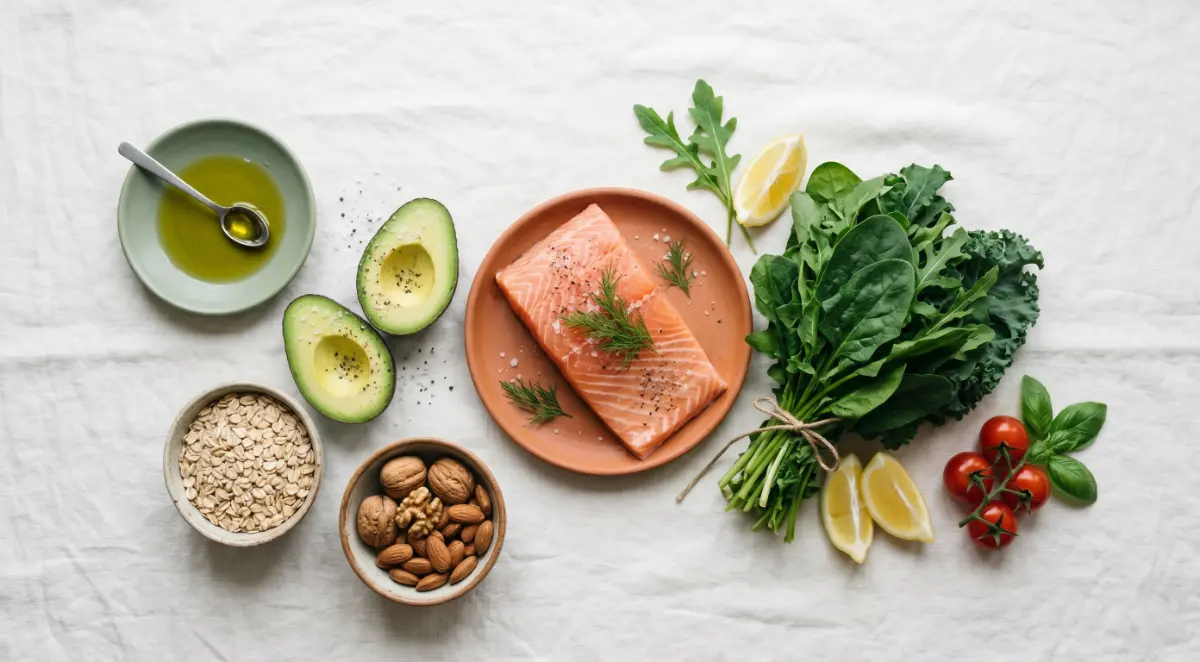
| 🥑 Good fats | Olive oil, avocado, nuts, seeds, and fish rich in omega-3 |
| 🌾 Fiber | Oats, legumes, fruits, and vegetables help to "sweep away" cholesterol |
| 🚶 Movement | Regular physical activity usually increases "good" HDL |
| 🍟 Reduce | Trans fats, ultra-processed foods, fried foods, and excess sugar |
| 😴 Balance | Good sleep, less stress, and quitting smoking make a real difference |
When lifestyle isn't enough
Sometimes, even with careful management, cholesterol remains high (especially when there's a genetic factor). In these cases, your doctor may recommend medication, and that's not a failure on your part! ➡️ It's just your body needing extra help. The important thing is to have regular check-ups and follow-up. 🩺
"Knowing your numbers is the first step. Taking care of them with balance, not fear, is what transforms your health."
Did this content help you? 💚
Tell me in the comments: did you already know what LDL and HDL were? Or did you discover something new today? If you like to understand the science behind your health in a simple way, stay tuned, there's always new content for you. 🌿
With care and science, Vanessa 🌹
📚 Scientific References
This content is based on guidelines and studies on cholesterol and cardiovascular health. Main references:
- Sociedade Brasileira de Cardiologia. Atualização da Diretriz Brasileira de Dislipidemias e Prevenção da Aterosclerose. Arquivos Brasileiros de Cardiologia, 2017.
- Grundy SM, et al. 2018 Guideline on the Management of Blood Cholesterol (AHA/ACC). Circulation, 2019.
- Soliman GA. Dietary Cholesterol and the Lack of Evidence in Cardiovascular Disease. Nutrients, 2018.
- El Khoudary SR, et al. Menopause Transition and Cardiovascular Disease Risk (AHA Scientific Statement). Circulation, 2020.
The information is for educational purposes and does not replace individualized professional advice. Science is constantly evolving.