Beauty from the Inside Out: What's Science and What's Marketing
Beauty from the Inside Out: What's Science and What's Marketing
By Vanessa Manfredini | Biomedical Scientist and future Nutritionist
Capsules promising glass skin, commercial-worthy hair, and steel nails. ✨ "Ingestible beauty" has become one of the fastest-growing categories globally, and the promise is beautiful. But how much of it is science and how much is just window dressing? Let's separate fact from fiction, with care and no sugarcoating! 🌿
"Beauty from the inside out is real. But it doesn't come in a miracle capsule."
Why This Trend Exploded ✨
The idea behind it is good and true: the skin is the body's largest organ and reflects what's happening inside. The problem isn't the concept itself, but the exaggeration of the promises built upon it. The market realized that we want to care for beauty through health, and it filled the shelves. 💸
What Really Has Science ✅
Let's look at what the evidence supports:
🍊 Vitamin C: The body needs it to produce its own collagen. Without it, the factory doesn't function properly.
🐟 Omega-3: Helps with the skin barrier and inflammation control.
🥩 Protein: The raw material for everything. Skin, hair, and nails are made of protein, and without it, nothing can be sustained.
What's More Marketing Than Science ⚠️
Here's where the conversation gets interesting. The most famous example is biotin, that darling of the "hair and nails" bottles.
🌿 And the "trendy" ingredients? Many appear in formulas with pretty names and very few studies on real people.
That's why I always say: the problem isn't the supplement itself, it's the promise built upon it. 💚
The Warning Almost No One Gives 🚨
This point is serious and comes from my Biomedical Science background. Supplements are not medicines: they follow much less strict regulations. In practice, many products reach the shelves without needing to prove they work beforehand.
What's more: some contain extremely high doses of vitamins, or mix herbs and other ingredients. More isn't always better, and in some cases, it can even be detrimental. A curious detail: high doses of biotin can alter blood test results, including thyroid tests, confusing your doctor. That's why it's worth mentioning when you use it. 🩺
The Part No One Sells (and Works) 🌱
Now for the good news: what impacts your skin the most isn't in an expensive capsule.
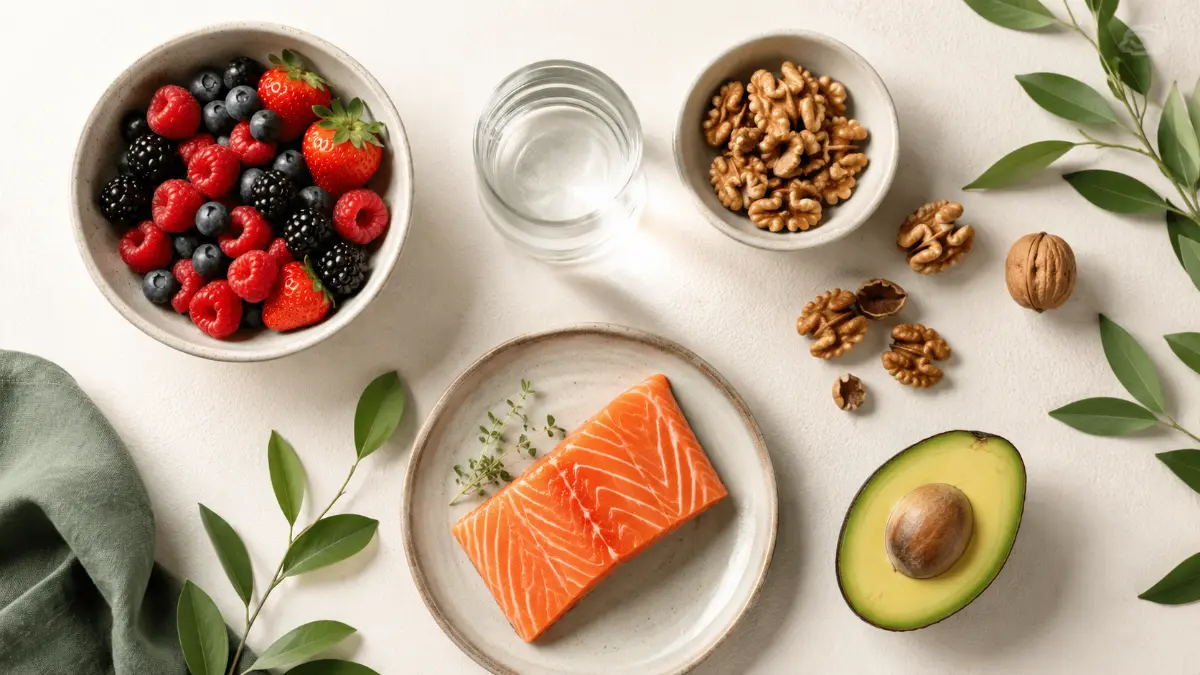
🌈 Eat color: colorful fruits and vegetables provide antioxidants that protect the skin.
😴 Sleep: It's during sleep that the skin repairs itself. No serum can compensate for poor nights.
💧 Hydrate and protect from the sun: simple, free (sunscreen not so much!) and unbeatable.
🧘♀️ Manage stress: it shows up on the skin faster than we'd like.
"Before buying the capsule, look at your plate, your sleep, and your gut."
Have you ever spent money on a beauty promise? 💚
Tell me in the comments (no judgment, everyone has fallen for something!). And share with that friend who's about to buy another miracle pot! 🌹
With care and science, Vanessa 🌹
📚 Scientific References
Content based on literature about nutrition and skin health. Main references:
- Burns EK, Perez-Sanchez A, Katta R. Risks of Skin, Hair, and Nail Supplements. Dermatology Practical & Conceptual, 2020. DOI: 10.5826/dpc.1004a89 (https://doi.org/10.5826/dpc.1004a89)
- Randomized clinical trials on collagen peptides, skin hydration, and elasticity, with results generally observed between 8 and 12 weeks.
- Literature on biotin, where benefits are concentrated in cases of deficiency, which is considered rare in the general population.
- Literature on the gut-skin axis and the influence of microbiota on skin health.
The information is educational and does not replace evaluation by a dermatologist and nutritionist. Supplements follow different regulations than medications and should be used with professional guidance. Science is constantly evolving.